
Strategic Partnerships and Global Leadership
Our approach is built on a multi-level collaboration strategy, designed to ensure scientific rigor, regional relevance, and long-term scalability.
Global Scientific Engagement

- Leadership of the WMO My Climate Risk Southeast Asia Regional Hub, coordinating adaptation-oriented climate services across tropical cities.
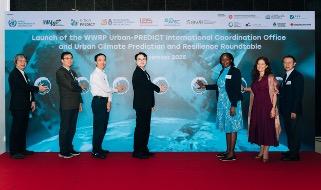
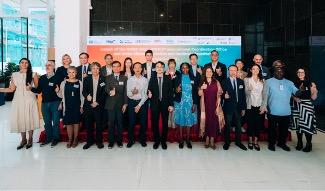
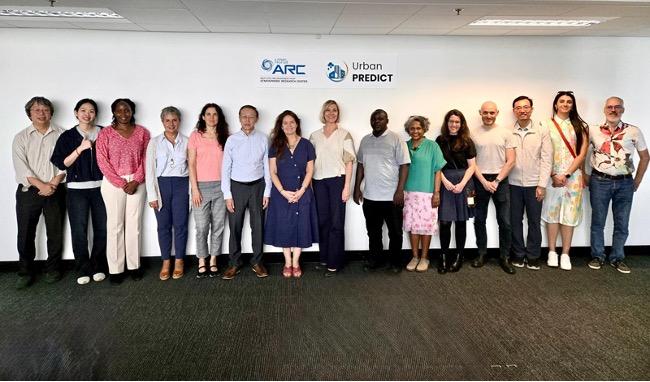
- Hosting of the International Coordination Office (ICO) for the WWRP Urban Prediction Project, a flagship initiative of the World Weather Research Programme (WWRP), positioning HKUST as a global center for collaborative research and coordination on urban weather and climate hazards.
Together, these roles strengthen alignment with international best practices and ensure that the tools and insights developed here both benefit from and contribute to the global scientific community.
National and Local Government Collaboration
Working directly with government authorities ensures that our modelling approaches are grounded in local realities and designed for operational deployment.
-
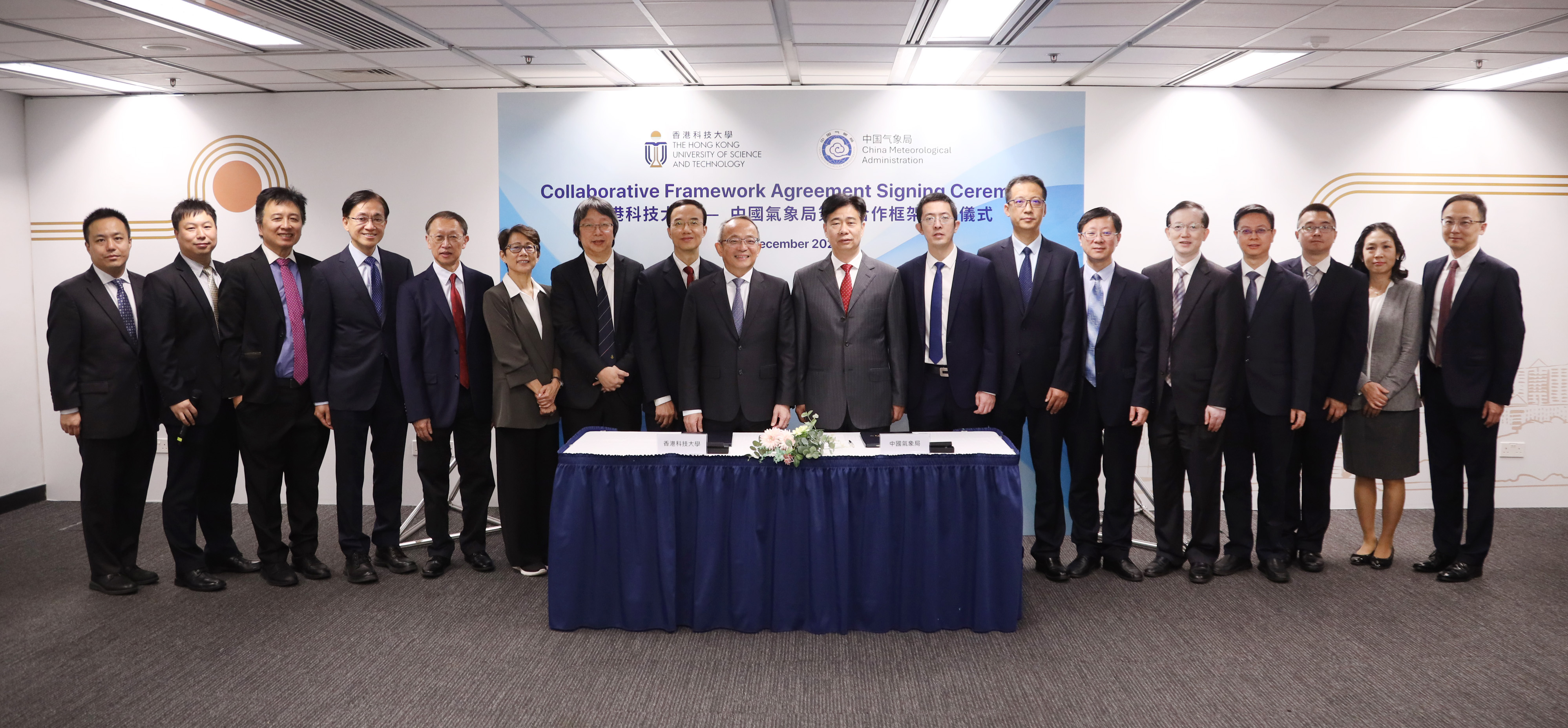
Formal collaboration with the China Meteorological Administration (CMA) — the only Hong Kong research team granted this mandate — supports advancements in urban hazard prediction and early warning systems.
-
Partnership with the Institute of Urban Meteorology (Beijing Weather Bureau) focuses on urban-scale forecasting and continuous enhancement of operational systems.
-
Joint establishment of a Smart City Meteorology Laboratory with the Guangdong Meteorological Bureau enables co-development of forecasting tools and adaptation strategies for the Greater Bay Area.
These partnerships strengthen joint model development, enable tailored service delivery, and provide access to jurisdiction-sensitive datasets essential for scientific accuracy. By maintaining collaboration within local administrative boundaries, models can be improved without data leaving the country, while ensuring alignment with policy priorities and operational needs.